Camilo Garzon • June 29, 2022

Agility and Resiliency Are Now the Real Competitive Edge in the Supply Chain

How companies are strengthening their operations with practical, data-driven solutions


Supply chain volatility has become routine. Labor shortages, rapid demand swings, supplier variability, and rising customer expectations have created a landscape where businesses must respond faster and recover more confidently when disruptions occur. Recent insights from the MHI: The Association That Makes Supply Chains Work industry report (MHI Announces Top Supply Chain Trends of 2026) reinforce this shift. Agility and resiliency have moved from long-term goals to urgent priorities for leaders across distribution, manufacturing, and logistics.

Technology investment is the primary lever organizations are using to build that agility. The companies that are winning right now are not simply adding automation or digital tools. They are architecting their operations around visibility, adaptability, and continuous decision support.

At Bar Code Integrators, we see this transformation every day across the warehouses, plants, and distribution networks we support. The organizations that invest in real-time data capture, workforce flexibility, and strong infrastructure position themselves to absorb shocks and turn disruption into opportunity.


Here are the core capabilities we see driving agility and resiliency today:


Real-time visibility is the foundation


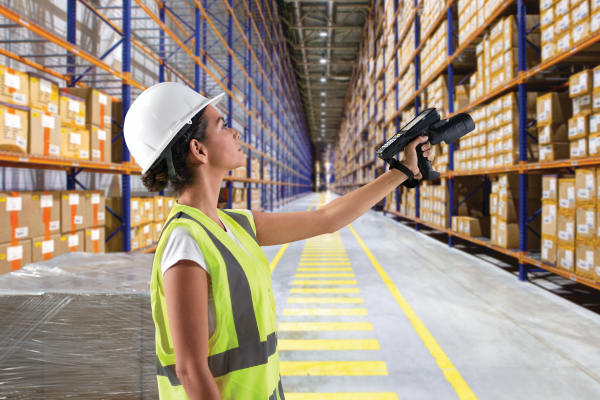
Any agile supply chain begins with accurate and immediate awareness. RFID, advanced scanning, and mobile computing give leaders the clarity they need to make quick adjustments. When teams can see inventory movement, asset location, and task progress in real time, they no longer rely on guesswork or outdated counts. Visibility shortens response time and reduces the impact of unexpected events.


A flexible workforce is essential


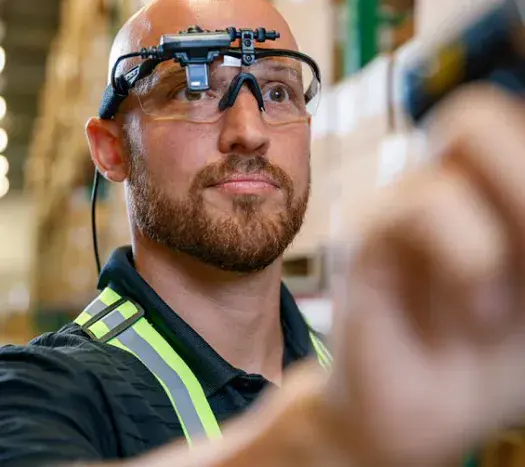
Labor uncertainty remains one of the top risks in the industry. Voice-directed picking is proving to be a powerful tool for agility. Workers ramp up quickly, follow guided workflows with fewer errors, and can be reassigned without slowing production. When teams can shift roles and zones without lengthy retraining, the entire operation becomes more resilient under pressure.


Network reliability protects productivity


Many companies overlook the fact that wireless coverage determines how well mobile and automated technologies function. A strong wireless backbone is critical for voice, scanning, and device connectivity. Wireless site surveys allow companies to remove blind spots and build the infrastructure needed to maintain real-time communication. Reliable connectivity ensures that data flows continuously even during peak volume or process changes.


Intelligent slotting creates operational balance


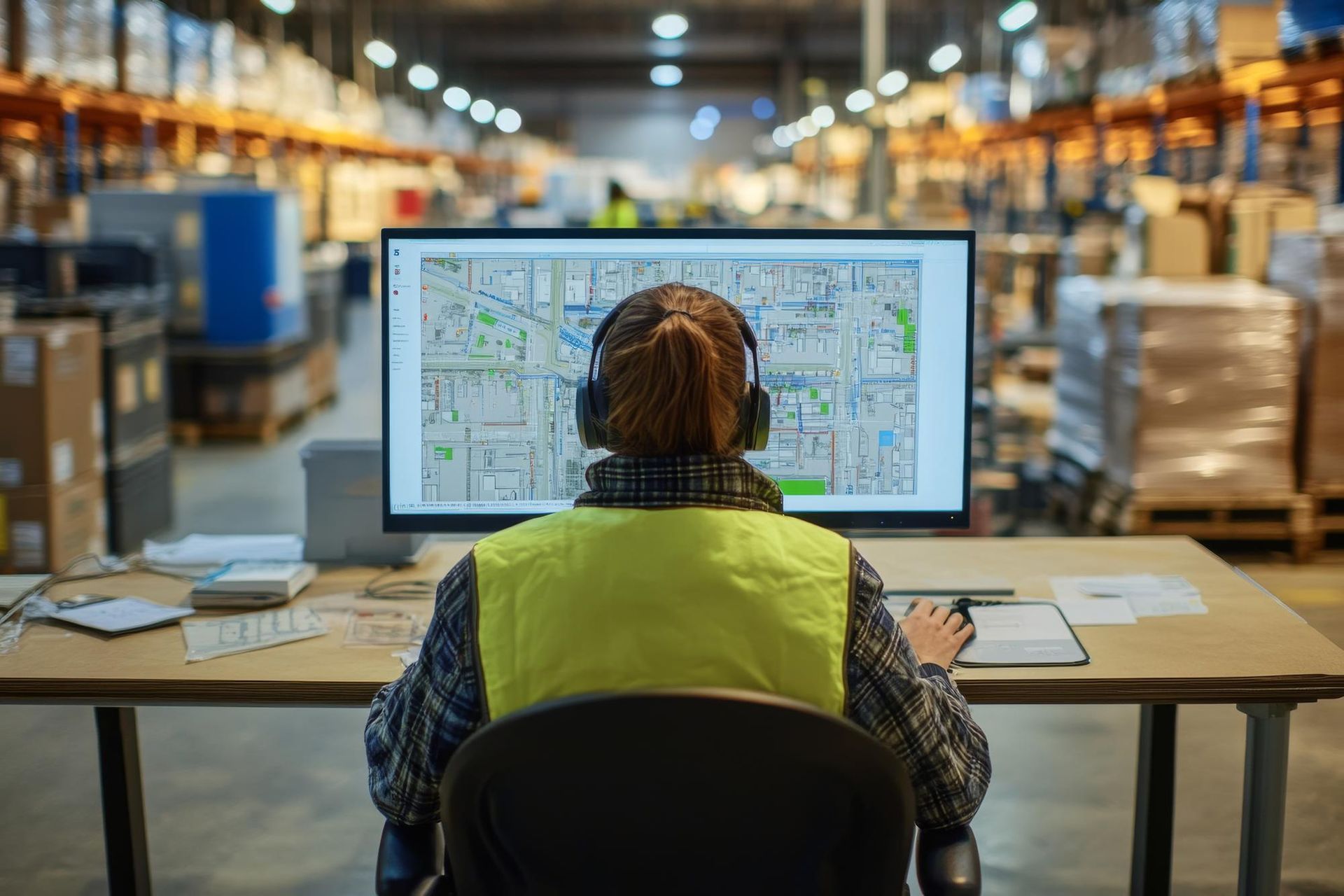
Warehouse slotting software brings structure to unpredictable conditions. By organizing SKUs based on velocity, travel paths, and order patterns, companies reduce congestion and improve throughput. Better slotting makes a facility more adaptable when demand changes abruptly. A well-optimized layout becomes an operational shock absorber.


Device reliability and data security protect operational continuity


Modern supply chains depend on mobile devices, scanners, RFID readers, and connected software. Strong device management ensures that all of these tools stay healthy, up to date, and ready for use. Organizations can track equipment location, monitor battery life, and prevent outages before they disrupt workflows. At the same time, secure authentication, controlled access, and timely software updates strengthen data protection across the operation. Together, these capabilities safeguard uptime, reduce risk, and give leaders confidence that their teams and systems can operate reliably even when conditions change.


The outlook for supply chain competitiveness


Agility and resiliency are increasingly viewed as core operational capabilities rather than optional enhancements. Organizations that invest in real-time visibility, flexible labor solutions, strong wireless foundations, and secure device ecosystems position themselves for sustained performance in evolving market conditions.

The continued adoption of these technologies is enabling supply chains to respond faster, maintain accuracy, and remain productive even when challenges arise. As disruptions persist and customer expectations grow, agility and resiliency will continue to shape the next era of supply chain excellence.


If you would like to explore how greater agility and resiliency can strengthen your warehouse operations, we are here to help by combining hardware, software, engineering, and operational expertise. Call (847) 615 2933 or connect with your dedicated local BCI Solutions Advisor HERE. Bar Code Integrators partners with leading technology providers to deliver integrated solutions that are tailored to your business goals.


For over 30 years, Bar Code Integrators, Inc (BCI) provides fully integrated solutions for bar code data collection, bar code printing, mobile computing, wireless LAN infrastructure, RFID, and other related technologies. Through innovation and experience in Auto-ID technology, our solutions improve efficiency, accuracy, and a company’s bottom line with a valid and measurable return on investment.
By Julian Quiroz June 8, 2026
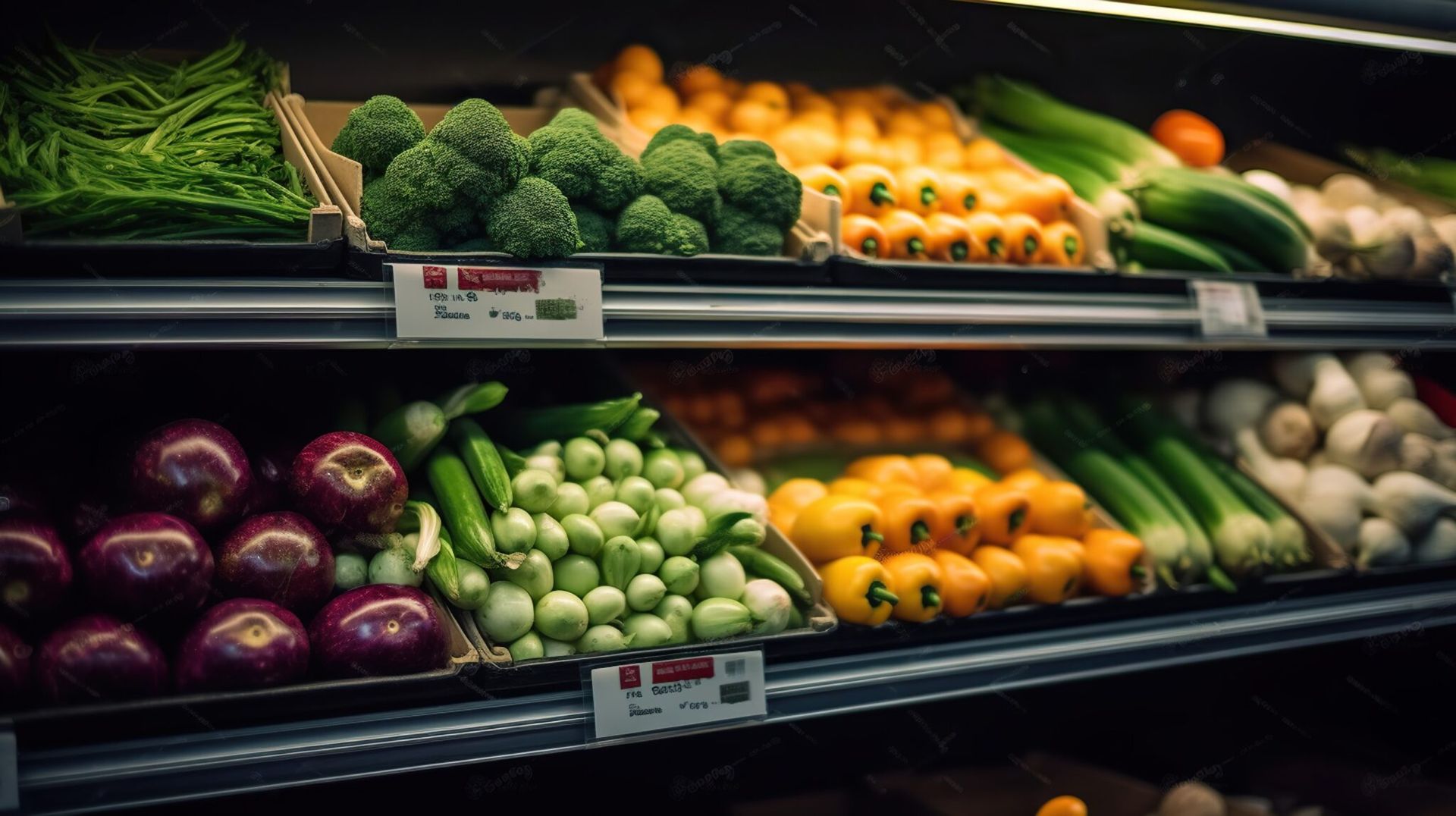
The FDA’s final Food Traceability Rule (FTR), which implements Section 204(d) of the FDA Food Safety Modernization Act (FSMA), is designed to reduce the incidence of foodborne illnesses by instituting additional traceability recordkeeping requirements for high-risk foods. The rule, which carries a compliance deadline of January 20, 2026, applies to manufacturers, processors, packers, and entities that hold foods and multicomponent products containing foods specified on the Food Traceability List (FTL). Food traceability refers to the ability to track and trace the movement of food products along the entire supply chain, from production and processing to distribution and consumption. The goal of food traceability is to enhance food safety, quality, and transparency by ensuring that the origin, handling, and distribution of food items can be accurately documented and verified. Key components of food traceability include: Product Identification : Each unit of food should have a unique identifier, such as a barcode, QR code, RFID tag, or a combination of these, which can be scanned or read at various points in the supply chain. Record Keeping : Detailed records are maintained at each step of the supply chain, documenting information such as the date and location of production, processing, packaging, and distribution. Data Sharing : Stakeholders in the supply chain, including producers, processors, distributors, retailers, and regulatory authorities, share relevant data to ensure a transparent flow of information. Technology and Systems : Advanced technologies like blockchain, IoT (Internet of Things), and cloud-based systems are often employed to create a secure and easily accessible digital record of the food’s journey. Traceability Software : Specialized traceability software or platforms help automate data collection, storage, and sharing, making it easier to track and verify the movement of food items. Benefits of food traceability include: Food Safety : Traceability helps identify and isolate contaminated or unsafe products quickly, reducing the risk of foodborne illnesses and allowing for targeted recalls. Quality Assurance : By knowing the origin and handling of food products, businesses can maintain and verify the quality of their products. Regulatory Compliance : Many countries have regulations and standards that require traceability for certain types of food products. Implementing traceability systems helps businesses comply with these regulations. Consumer Confidence : Transparent traceability practices can build trust among consumers who are concerned about the safety and sourcing of their food. Supply Chain Efficiency : Traceability can streamline supply chain operations by identifying bottlenecks and inefficiencies, leading to cost savings. Recall Management : In case of recalls, accurate traceability data can help pinpoint the affected batches, minimizing the scope and impact of recalls. Market Access : Some markets and retailers require traceability as a condition for entering their supply chains. Overall, food traceability is a critical component of modern food systems, contributing to safer and more transparent supply chains. It helps protect consumer health, maintain food quality, and enhance the accountability of all parties involved in the food production and distribution process. Join us at the IFDA Solutions Conference 2023 in Fort Worth, TX (Sept 10-13), BOOTH 223, to find out how the FDA Food Safety Modernization Act (FSMA) compliance initiatives can be implemented efficiently in key areas of the supply chain. Learn more about the event here .
By Julian Quiroz June 8, 2026
The Big Wins: What You Can Expect
By Julian Quiroz June 8, 2026
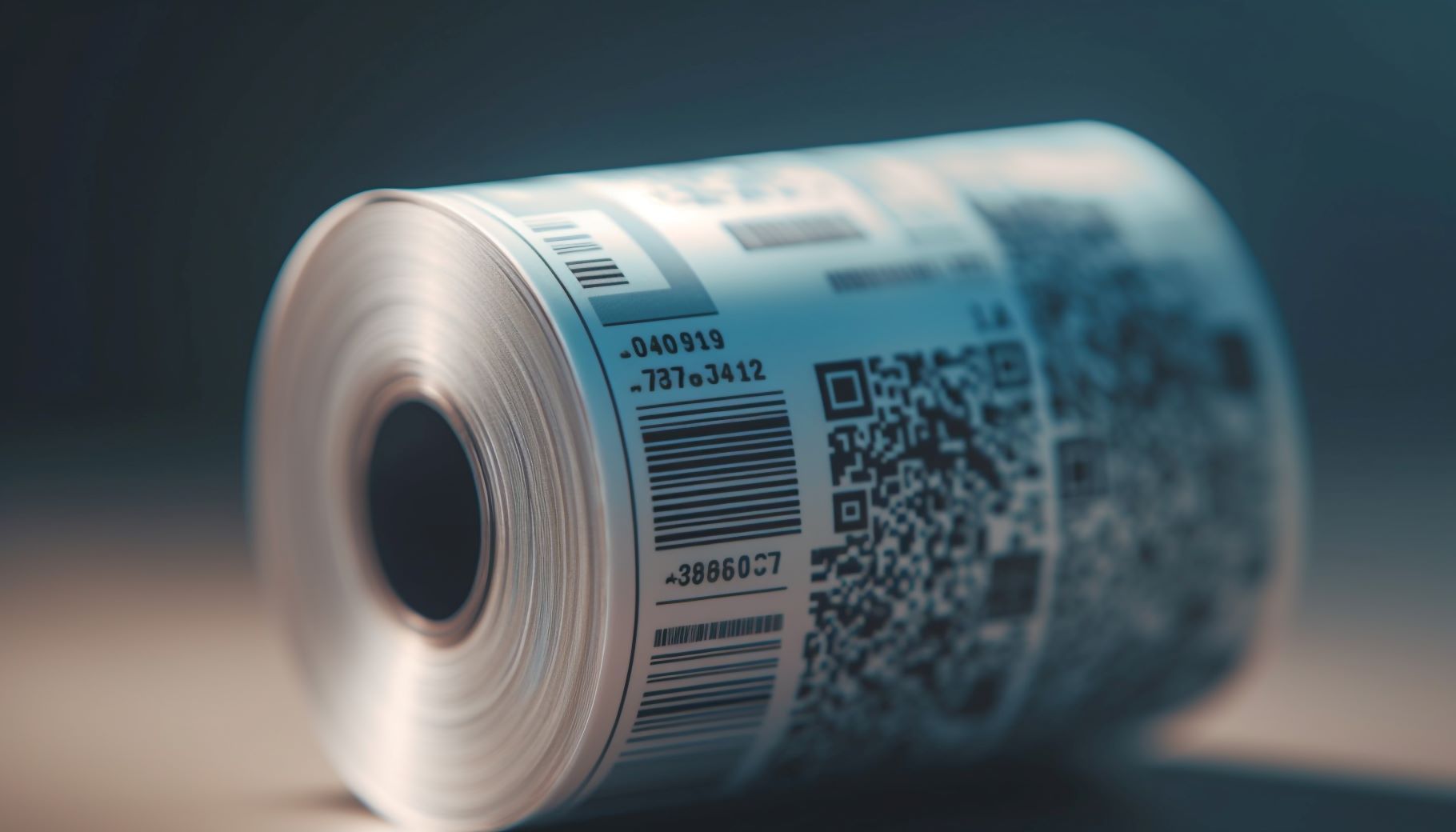
In the intricate dance of commerce, where products move from production lines to store shelves and ultimately into the hands of consumers, one seemingly modest innovation has played an outsized role: the humble barcode. What began as a simple tool for automating supermarket checkout processes has evolved into a cornerstone of supply chain management, revolutionizing the way businesses track and manage their inventory. Let’s delve into the fascinating journey of barcode technology, tracing its evolution from its inception to its pivotal role in today’s global supply chains. The Birth of the Barcode: The genesis of the barcode can be traced back to the early 1970s when a group of industry pioneers sought a more efficient method for automating the process of grocery checkout. The breakthrough came in the form of the Universal Product Code (UPC), a system of parallel lines of varying thicknesses that represented numerical data when scanned by a laser. On June 26, 1974, in a Marsh Supermarket in Troy, Ohio, a pack of Wrigley’s chewing gum made history as the first product ever scanned using a UPC barcode. Supermarket Revolution: The adoption of barcode technology quickly spread throughout the retail industry, transforming the way consumers shopped and businesses operated. With the ability to rapidly scan and process items at checkout, supermarkets saw significant improvements in efficiency, reducing both wait times for customers and errors in pricing and inventory management. The barcode became synonymous with modern retail, empowering businesses to streamline operations and enhance the overall shopping experience. Expanding Horizons: As the benefits of barcode technology became increasingly apparent, its applications expanded beyond the confines of retail. Industries ranging from healthcare to manufacturing embraced barcodes as a means of tracking assets, managing inventory, and improving operational efficiency. The versatility of barcodes, coupled with advancements in scanning technology, paved the way for their integration into a wide array of business processes, driving productivity gains and cost savings across diverse sectors. Digital Transformation: The advent of the digital age brought about further advancements in barcode technology, catalyzing its evolution into more sophisticated forms. Traditional linear barcodes gave way to two-dimensional (2D) barcodes, capable of storing larger amounts of data in a smaller space. QR codes, in particular, emerged as a popular variant, leveraging their ability to encode text, URLs, and other information beyond simple numerical data. With the proliferation of smartphones equipped with camera technology, QR codes found widespread use in marketing, ticketing, and mobile payments, further embedding barcode technology into everyday life. Supply Chain Revolution: In recent years, barcode technology has assumed a central role in the realm of supply chain management, driving unprecedented levels of visibility, traceability, and efficiency. With the rise of e-commerce and globalized trade, businesses face mounting pressure to optimize their logistics operations and minimize supply chain disruptions. Barcodes, in conjunction with advanced data analytics and tracking systems, empower companies to monitor the movement of goods in real-time, anticipate demand fluctuations, and respond swiftly to changing market dynamics. From warehouse management to last-mile delivery, barcode technology serves as a linchpin in the intricate web of modern supply chains, enabling seamless coordination and synchronization across vast networks of suppliers, distributors, and retailers. Looking Ahead: As we stand on the cusp of a new era characterized by digitalization and interconnectedness, the role of barcode technology is poised to expand even further. Emerging technologies such as Internet of Things (IoT) devices, artificial intelligence (AI), and blockchain hold the promise of unlocking new possibilities for barcode integration, enhancing data accuracy, and enabling unprecedented levels of automation, transparency and traceability. From smart packaging solutions to autonomous delivery drones, the future of barcode technology is limited only by our imagination, offering boundless opportunities to redefine the way we track, trace, and manage the flow of goods in an ever-evolving global economy. In conclusion, the evolution of barcode technology is a testament to the power of innovation to revolutionize industries and reshape the way we conduct business. What began as a simple solution for speeding up supermarket checkout lines has blossomed into a cornerstone of modern commerce, underpinning the efficient functioning of supply chains on a global scale. As we continue to push the boundaries of technological advancement, one thing remains clear: the barcode, in all its iterations, will continue to play a pivotal role in shaping the future of commerce and logistics for generations to come.
By Camilo Garzon June 8, 2026
Pushed to do more with less, and to keep workers safe and as productive as possible, warehouse and distribution center (DC) managers need state-of-the-art tools that help them achieve their goals while also minimizing errors and ensuring high levels of customer satisfaction. The receiving area is prone to errors—just one of which can have a tenfold impact across the rest of the warehouse or DC. Left to chance, the unoptimized receiving process not only erodes a material handler’s overall efficiency, but it can also create key labor, productivity, and profitability issues. Mobile-powered receiving stations help managers boost dock-to-stock cycle time, eliminate improperly labeled products, and minimize inaccurate inventories while saving thousands of dollars in the process.
By Julian Quiroz June 8, 2026
How to Setup a Barcode System In Your Warehouse
By Julian Quiroz June 8, 2026
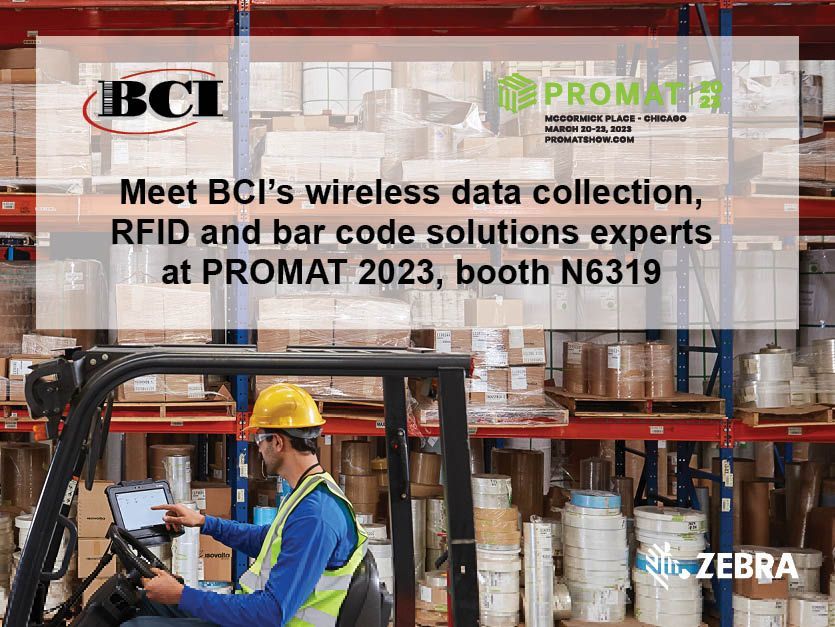
BCI at PROMAT 2023
By Camilo Garzon July 24, 2022
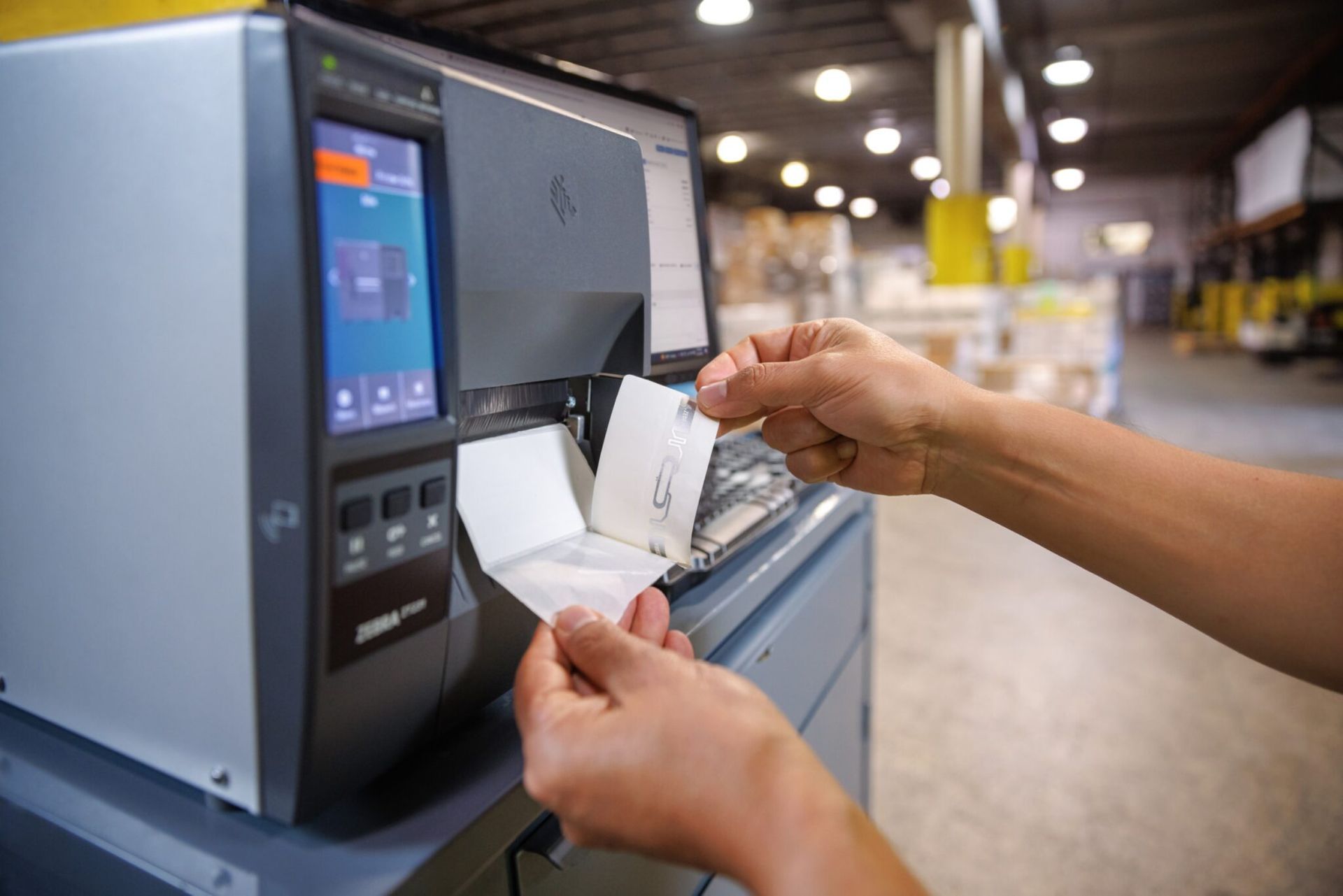
Some of the latest Zebra thermal transfer printers on the market include the ZT230, ZT410, and ZT420. These printers are known for their durability, reliability, and fast printing speeds. Thermal transfer printing is generally considered to be a more durable and long-lasting printing method compared to direct thermal printing. This is because thermal transfer printing uses a ribbon, which melts ink onto the label, while direct thermal printing uses heat-sensitive paper that can fade over time. Thermal transfer printing can also produce higher-quality prints, with greater accuracy and sharper images. Additionally, thermal transfer printing can be used with a wider variety of label materials, including glossy, synthetic, and pre-printed labels. That being said, direct thermal printing is still a viable option for some applications, such as printing short-lived labels, or when cost is a major concern. In summary, thermal transfer printing is a more durable and long-lasting printing method that can produce high-quality prints on a variety of label materials. It is ideal for barcode labels that will have a long shelf life.